


In certain conditions, traditional well construction may not be the right choice, as it can let sand and sediment into the well system, causing equipment damage and lowering water quality. A gravel-packed well addresses these issues by forming a protective filtering layer around the well screen.
What Is a Gravel-Packed Well?
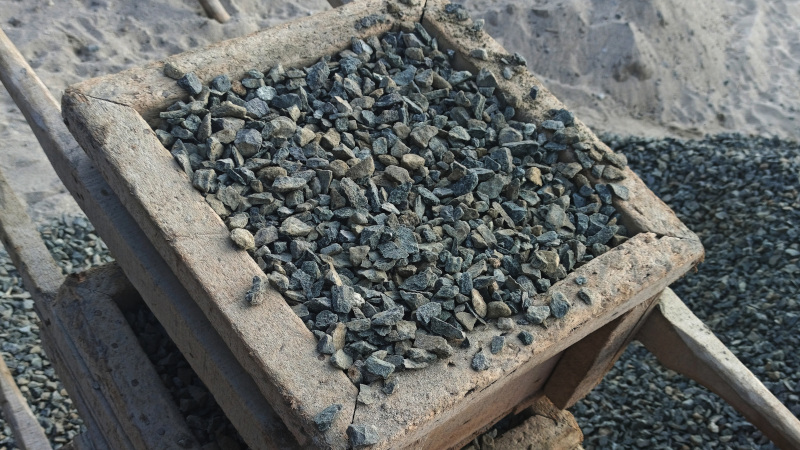
Gravel-packed wells are constructed using a layer of carefully selected gravel that is sandwiched between the well screen and the surrounding earth formation. This gravel acts as a natural filter, keeping fine sand and debris out of the well while letting groundwater flow freely.
Benefits of Gravel-Packed Wells
One significant advantage of gravel-packed wells is increased water production. The gravel layer improves the well’s effective diameter, allowing water to flow more freely into the well screen. This can result in increased flow rates and more consistent water supply, especially in aquifers containing sand or tiny particles.
Another advantage is the protection it offers to the well pump and other system components. Sand entering a well can cause excessive wear on pumps, valves, and pressure systems. Over time, this deterioration can result in costly repairs or premature device failures. Gravel-packed wells contribute to the longevity of well equipment by filtering out harmful particles.
Where Gravel-Packed Wells Shine
Gravel-packed wells are especially useful in areas where the soil is unstable or prone to produce sand. In these circumstances, the gravel pack stabilizes the formation and prevents the well from collapsing.
If you’re wondering if a gravel-packed well is right for your property, reach out to us at Barefoot’s Well Drilling and Pump Service to learn more.